Engage with KBASC
If you have a project, idea or request for representation involving Aboriginal ways of knowing and being and/or health and wellness of Aboriginal people living the Kootenay Boundary region, please complete the form below.
The form is designed to provide you with the opportunity to give as much information as possible regarding your request which, in turn, will allow the members of the KBASC to respond appropriately. Please allow 4-6 weeks for KBASC member response, though you will receive an acknowledgement of your request within 2 business days.
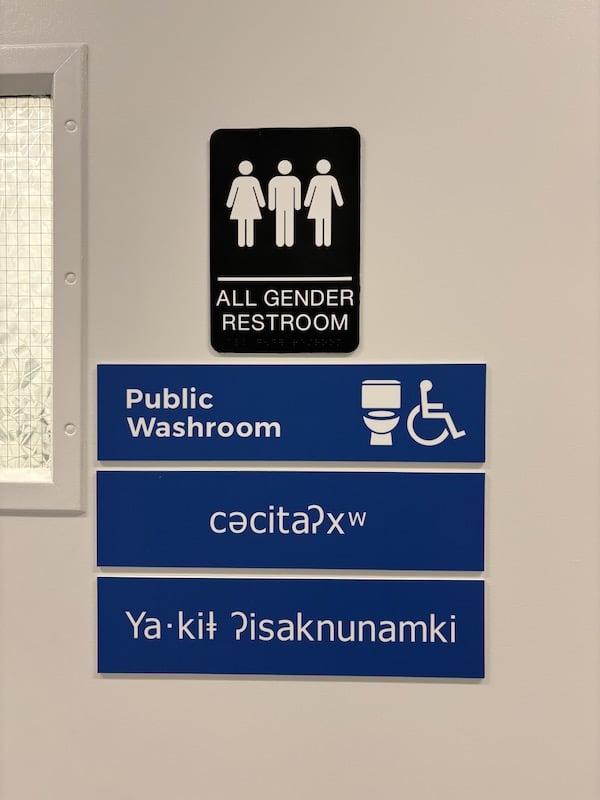
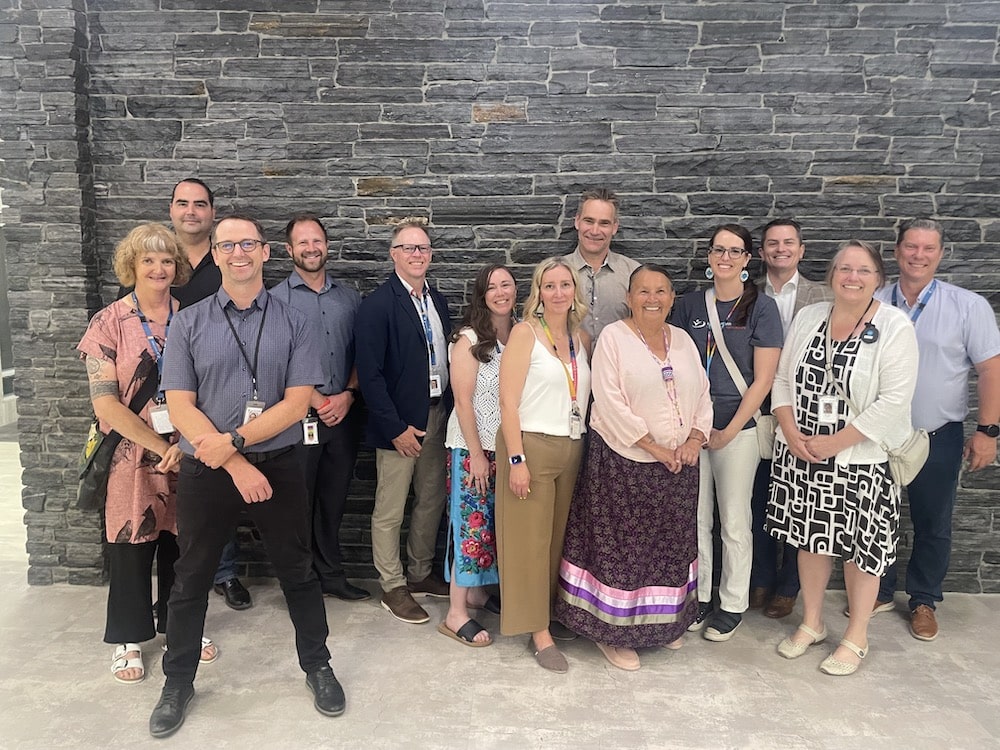
Past engagements have included: provision of language for signage at health facilities, attending openings, local Nation input for design elements of health facilities, advisory support for regional strategic planning involving health and wellbeing of Aboriginal peoples.
KBASC members have offered:
- Language for signage (exterior/interior)
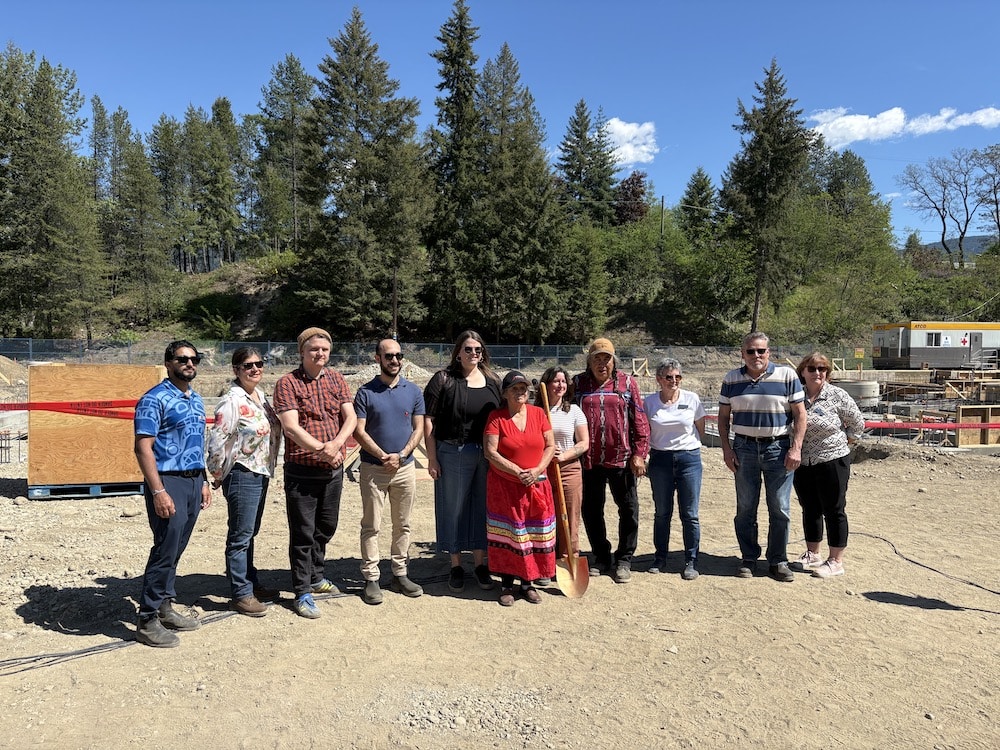
- Opening and ceremony for:
- Lu’ma Housing Development in Castlegar
- Interior Health – Nelson Health Campus
- Design advisory/language requests
- MRI department – Kootenay Boundary Regional Hospital
- Cultural advisory input for Mental Health and Substance Use service planning, Trail, BC
- Cultural advisory input on health-facing resources (see “Projects” page)
Clarity and expectations regarding the intent behind the engagement request, and decision making that may follow, is critical for maintaining healthy relationships between the Kootenay Boundary Aboriginal Services Collaborative and its partners.
For further information on the KBASC and the legal instruments and foundational documents that guide our work, please click on the tabs below.
Appendix A: Terms of Reference for the KBASC
Appendix B: Foundational Documents and Legal Instruments
1) 2015 Truth and Reconciliation Commission Calls to Action.
- View PDF: Calls to Action.
Calls to action specific to health care are 18-24.
- Related: Braiding Accountability: A Ten-Year Review of the TRC’s Calls to Action (Yellowhead Institute).
Calls to Action 18–24 challenge governments and health authorities to acknowledge colonial harms, close health gaps, recognize Indigenous approaches to healing, and transform healthcare systems. This report assesses public health authority responses to Calls 18–24 through an environmental scan of provincial, territorial, and federal actions from April 2024 to April 2025.
2) Declaration on the Rights of Indigenous Peoples (DRIPA) – Province of BC.
“Passed unanimously in the B.C. legislature on November 26, 2019, the Declaration Act came into force on November 29, 2019. B.C. is the first jurisdiction in Canada to formally adopt the internationally recognized standards of the UN Declaration.”
3) United Nations Declaration on the Rights of Indigenous Peoples
“Affirms that indigenous peoples are equal to all other peoples, while recognizing the right of all peoples to be different, to consider themselves different, and to be respected as such.” Articles 18, 19, 20 and 23 specifically refer to the rights of Indigenous peoples to participate in decision-making matters affecting their rights including systems of health, education, political, social and institutions.
Article 18
Indigenous peoples have the right to participate in decision-making in matters which would affect 16 their rights, through representatives chosen by themselves in accordance with their own procedures, as well as to maintain and develop their own indigenous decision-making institutions.
Article 19
States shall consult and cooperate in good faith with the indigenous peoples concerned through their own representative institutions in order to obtain their free, prior and informed consent before adopting and implementing legislative or administrative measures that may affect them.
Article 20
- Indigenous peoples have the right to maintain and develop their political, economic and social systems or institutions, to be secure in the enjoyment of their own means of subsistence and development, and to engage freely in all their traditional and other economic activities.
- Indigenous peoples deprived of their means of subsistence and development are entitled to just and fair redress.
Article 23
Indigenous people have the right to determine and develop priorities and strategies for exercising their right to development. In particular, indigenous peoples have the right to be actively involved in developing and determining health, housing and other economic and social programmes affecting them and, as far as possible, to administer such programmes through their own institutions.
4) In Plain Sight Report – 2020
Twenty-four recommendations for change in BC’s health care system are named in this report.
Engagement Request Form
Partners bringing issues to the KBASC must first be responsible for clarity regarding their intended level of engagement and second be open to discussion regarding the appropriateness of their intention.
Past Engagements